You know the exact moment a home workout starts to fall apart.
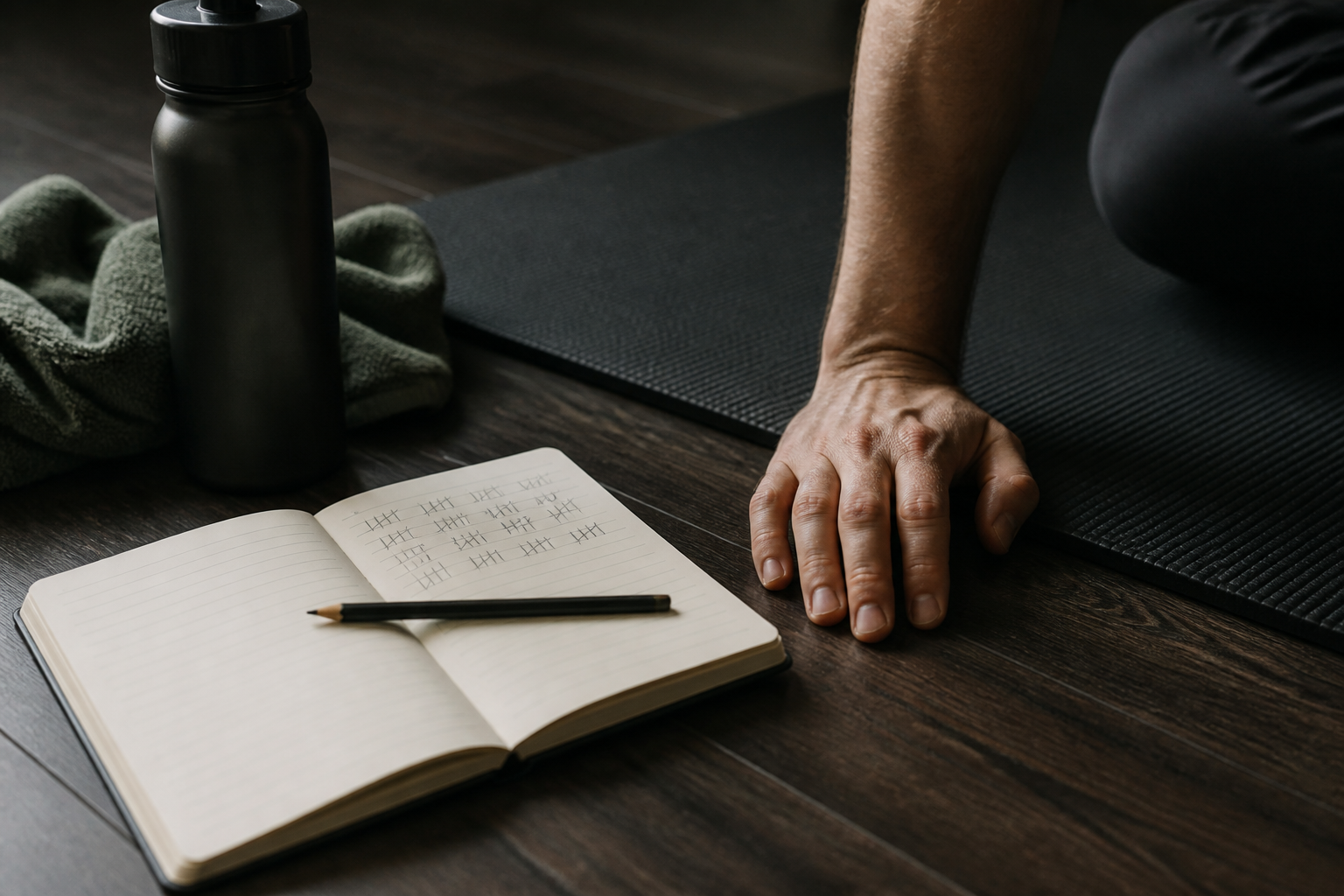
It is not usually the first pushup. It is not the first squat. It is that tiny mental interruption halfway through a set when your brain suddenly asks: Wait, was that 12 or 13?
Then the rhythm breaks. You replay the last few seconds. You bargain with yourself. You either repeat a rep to be safe or round up because you are tired. The workout continues, but the flow is gone.
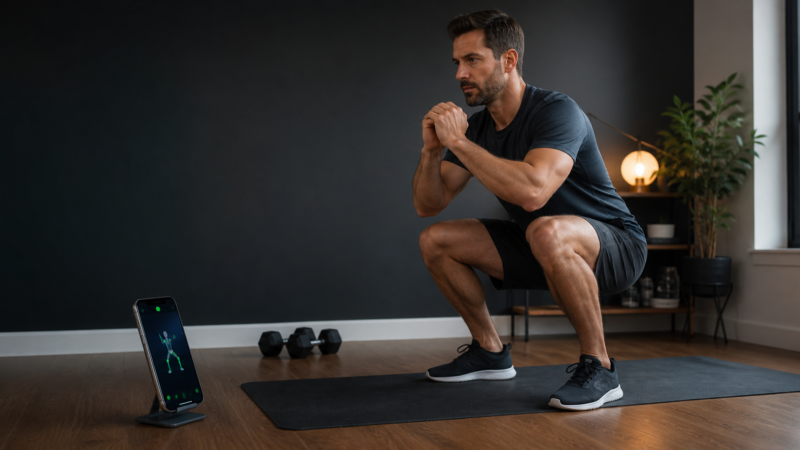
This is why the idea of an AI rep counter for iPhone is more interesting than it sounds at first. It is not just about counting pushups, situps, or squats. It is about removing one small cognitive job from your workout so your attention can stay where it belongs: on the movement.
Why Manual Rep Counting Feels Small but Drains Focus
Counting reps looks simple from the outside. One, two, three, four. But during a real set, your attention is already doing several things at once:
- controlling your breathing
- keeping your form stable
- noticing fatigue
- deciding whether to stop or continue
- remembering how many reps you have done
That last task sounds minor until you are tired. The more effort a movement requires, the more fragile your working memory becomes. Suddenly, counting is not automatic anymore. It competes with the workout itself.
This is the hidden reason many people abandon home workout routines. The exercises are not always too hard. The tracking system is too annoying.
The Real Value of an AI Rep Counter Is Flow
Most fitness apps focus on plans, calories, macros, badges, leaderboards, or dashboards. Those can be useful, but they often miss the most human part of exercise: staying with the next rep.
An AI rep counter takes a different role. It watches the movement pattern through the camera and counts the exercise in the background. For someone doing pushups, situps, or squats at home, that can turn the phone from a distraction into a quiet assistant.
Apps like RepCounta AI sit in this category: AI-powered fitness tracking that uses the iPhone camera to count bodyweight reps and help you see consistency over time.
The point is not to make exercise futuristic for its own sake. The point is to make the simplest workout feel easier to finish.
“A workout habit is built less by dramatic motivation and more by reducing the number of moments where quitting feels convenient.”
Self-Monitoring Works Because It Makes Progress Visible
There is a reason workout trackers, habit calendars, and progress logs keep showing up in behavior-change research. When people can see what they actually did, their behavior becomes easier to adjust.
A systematic meta-analytic review in the International Journal of Medical Informatics found that wearable activity tracker interventions significantly increased daily steps and weekly moderate-to-vigorous physical activity. The details vary by person and intervention, but the pattern is clear: feedback can help exercise become more intentional.
Another review on behavior change techniques for physical activity adherence found support, though with low certainty, for strategies such as goal setting, monitoring, and feedback. In plain language: people often do better when the habit is visible, measurable, and gently corrected over time.
That is what makes rep counting interesting. It brings self-monitoring down to the level where a workout actually happens: one movement at a time.
The Intention-Behavior Gap Is Where Workouts Usually Fail
Most people do not fail fitness because they never intend to work out. They fail in the messy middle between intention and action.
You planned to train after work, but you got tired. You planned to do three sets, but the second set felt worse than expected. You planned to track progress, but opening a spreadsheet after sweating on the floor felt ridiculous.
Research on self-regulation in exercise points to the importance of planning, monitoring, and action control. Intention matters, but it is not the whole story. The person who succeeds is often the person whose system keeps working when motivation gets ordinary.
That is the real promise of an AI fitness app on iPhone. Not motivation. Less friction.
A Simple Framework for Better Home Workout Tracking
If you want a bodyweight routine to stick, do not start by building the perfect plan. Start by making the feedback loop clean.
| Step | What it solves | How to apply it |
|---|---|---|
| Choose fewer moves | Decision fatigue | Start with pushups, situps, and squats. |
| Automate counting | Lost reps and broken focus | Use a camera-based rep counter when possible. |
| Track sessions, not moods | Emotional inconsistency | Log the workout even when it was short. |
| Review weekly patterns | All-or-nothing thinking | Look for consistency, not perfection. |
This framework works because it respects how people actually behave. You do not need a complex fitness command center. You need a setup that makes the next session easier to start.
A quieter way to track bodyweight workouts
If your routine is built around pushups, situps, or squats, AI rep counting tools on iPhone can remove the small tracking chores that make simple workouts feel harder than they need to be.
Why Heatmaps Are Better Than Guilt
A good consistency view should not make you feel like you are being judged. It should help you recognize patterns.
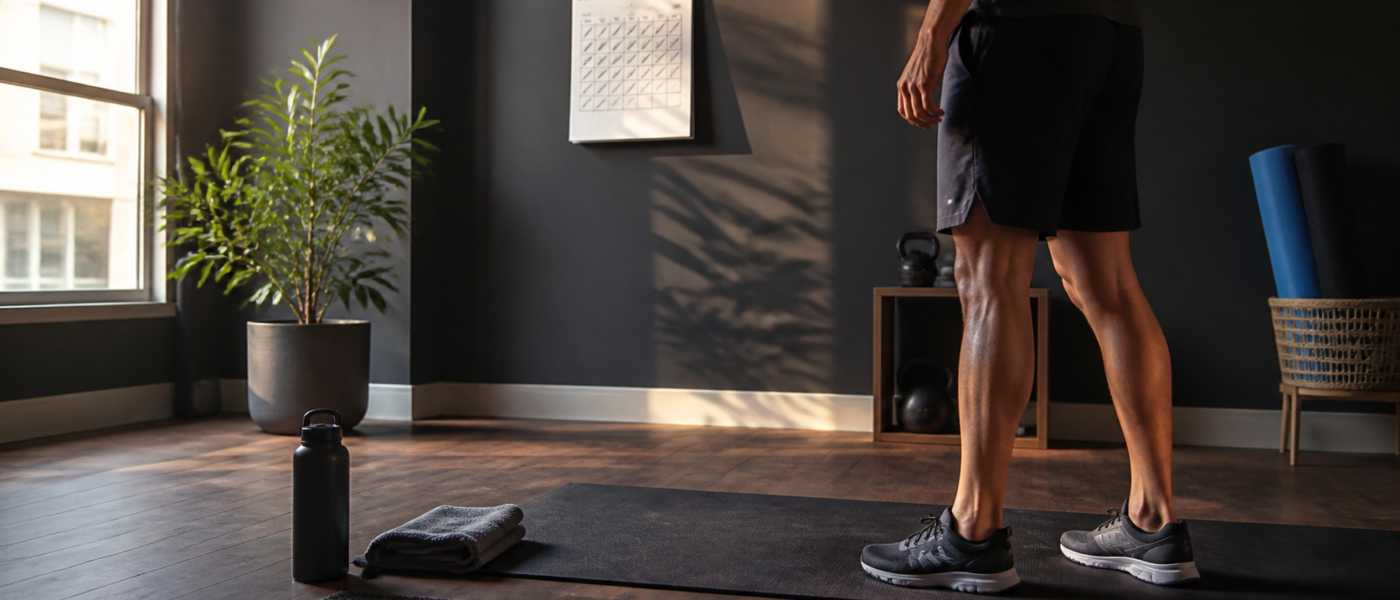
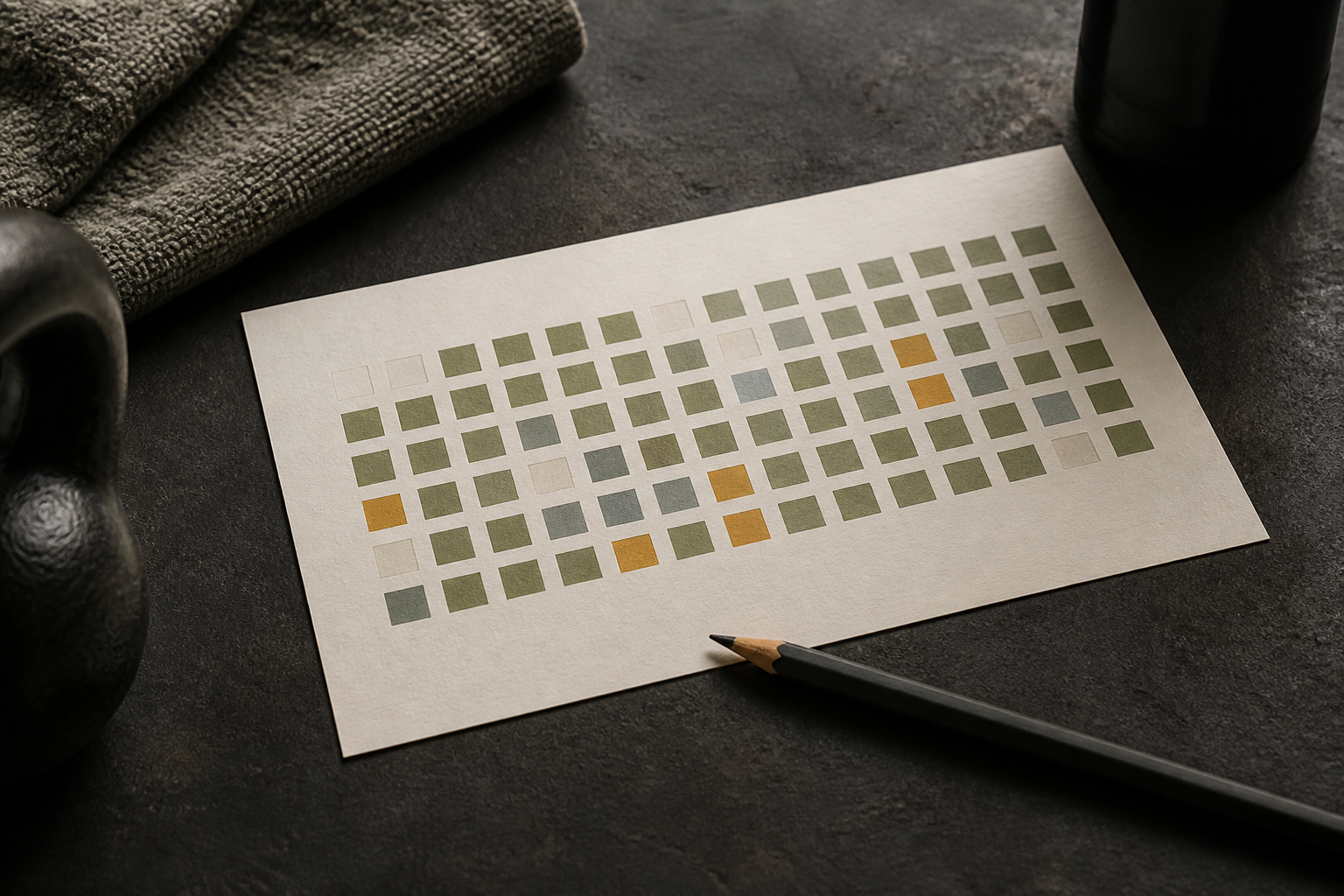
That is why heatmaps are powerful. A heatmap does not tell a dramatic story. It shows the truth quietly: the weeks where you showed up, the gaps where life got noisy, and the moments where the habit started returning.
Many people interpret one missed workout as evidence of personal failure. A calendar view makes the bigger pattern visible. One blank day is not the end of a habit. It is simply one blank day.
What to Look for in an AI Rep Counter App
If you are comparing workout tracker apps, the useful features are not always the loudest ones. Look for tools that make your workout simpler in the moment.
- Automatic rep counting: The app should reduce manual input during sets.
- Support for simple bodyweight moves: Pushups, situps, and squats are enough for many home routines.
- Consistency tracking: A session history or heatmap helps you notice patterns.
- Low setup friction: The app should be easy to use when you are already tired.
- Clear feedback: Good tracking should feel helpful, not noisy.
For iPhone users who want this specific kind of lightweight tracking, RepCounta AI is built around automatic rep counting and consistency heatmaps rather than overloaded workout dashboards.
The Bigger Shift: AI as a Small Daily Assistant
The most useful AI tools in everyday life are often not the most dramatic ones. They are the quiet tools that remove a repetitive mental task at the right moment.
In writing, that might be organizing notes. In productivity, it might be sorting tasks. In fitness, it might simply be counting reps while you focus on form.
That is a better way to think about AI fitness apps. Not as a replacement for effort, discipline, or physical awareness. More like a spotter for attention.
You still do the pushup. You still decide to start. You still build the habit. The app just removes one tiny excuse from the middle of the process.
FAQ
What is an AI rep counter?
An AI rep counter is a fitness tool that uses computer vision to recognize exercise movement patterns and count repetitions automatically. On iPhone, this usually means using the camera to track movements like pushups, situps, or squats.
Why use an AI rep counter instead of counting manually?
Manual counting can interrupt workout flow, especially when a set gets difficult. Automatic counting helps you focus on form, breathing, and finishing the set instead of remembering whether the last rep was number 11 or 12.
Can an AI fitness app help with consistency?
It can help when it makes progress visible and reduces tracking friction. Features like session history and heatmaps make it easier to notice patterns and return after missed days.
Is AI rep counting useful for beginners?
Yes, especially for simple bodyweight exercises. Beginners often benefit from fewer decisions and less manual tracking, as long as they still pay attention to safe form and appropriate effort.