You open your laptop. You know exactly what you need to do. And then — somehow — forty-five minutes pass and you’ve watched two unrelated YouTube videos, reorganised your desktop, and checked your phone four times.
Sound familiar? You’re not broken. You’re not lazy. You’re human — and your brain is doing exactly what evolution wired it to do.
Procrastination is one of the most misunderstood phenomena in modern psychology. Most productivity advice treats it as a discipline problem. But the research tells a completely different story.
Procrastination isn’t about time management. It’s about emotion regulation.
The Neuroscience Behind the Delay
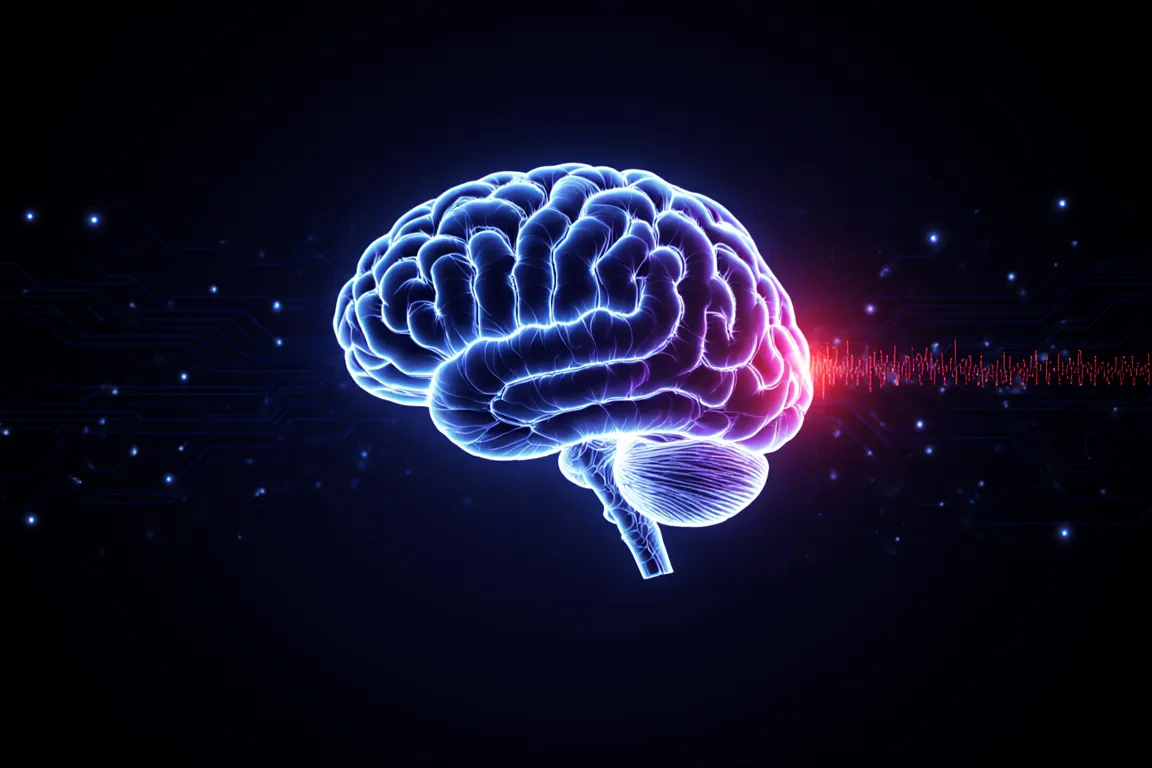
When you sit down to do something hard, unpleasant, or ambiguous, your brain’s threat-detection system lights up. The task feels like danger — even when it’s just an email draft or a project report. Your amygdala responds by sending a signal: avoid this.
Dopamine plays a role here too. Your brain is constantly comparing the immediate reward of avoidance (relief, comfort, novelty from scrolling) against the delayed reward of task completion. When the task is vague or the payoff feels distant, avoidance wins almost every time.
“Procrastination is an emotion regulation problem, not a time management problem.” — Dr. Fuschia Sirois, Hull University
This reframing changes everything. You can’t fix an emotion regulation problem with a better calendar. You need a system that reduces the emotional friction before the task even begins.
The 3 Procrastination Loops (Which One Is Yours?)
Not all procrastination looks the same. Most people cycle between one or more of these patterns:
1. The Perfectionism Loop
The task isn’t started because it can’t be done perfectly yet. You’re waiting for the right moment, the right energy, the right conditions. This loop is sneaky because it feels like care and ambition — but it’s avoidance wearing a tuxedo.
2. The Overwhelm Loop
The task is too big or too vague. There’s no clear first step. Your brain sees one giant blob of effort and quietly shuts down. This is why “work on project” never gets done, but “write intro paragraph” sometimes does.
3. The Anxiety Loop
This is the most invisible one. You don’t start because somewhere underneath, you’re afraid of what starting reveals — about your ability, your ideas, or whether the thing you care about is actually good. Avoiding the task means avoiding the verdict.
| Loop Type | Core Fear | The Fix |
|---|---|---|
| Perfectionism | Fear of imperfection | Set a “good enough” threshold upfront |
| Overwhelm | Fear of scale | Break to smallest possible first step |
| Anxiety | Fear of judgment/failure | Separate doing from evaluating |
Why Breaking Tasks Into Steps Actually Works
The most consistently effective procrastination intervention across research is also the simplest: reduce the size of the first action until it feels almost embarrassingly easy.
This works because your brain’s resistance system activates based on perceived effort, not actual effort. A task that says “write report” feels enormous. A task that says “open the document and type one sentence” barely registers as a threat. You get started. And once you’re started, the psychological resistance usually dissolves.
Psychologists call this the Zeigarnik Effect: incomplete tasks occupy mental bandwidth and create a mild cognitive tension that actually pulls you toward finishing once begun. The hard part is the beginning.
This is why systems that force you to define your tasks precisely — not just dump them into a list — tend to work better than free-form to-do apps. The act of breaking “finish website” into “update homepage header image” and “test contact form on mobile” does real neurological work before you even open your laptop.
The Environmental Trap Nobody Talks About
Here’s what most productivity content misses: your environment is doing half the work, or half the damage.
If your phone is within reach, if your browser has 14 tabs open, if your to-do app is a chaos list of 40 undifferentiated items — your willpower is already depleted before the task begins. You’re fighting the environment AND the task simultaneously.
The most underrated procrastination strategy isn’t motivation hacks. It’s friction engineering: deliberately making the unwanted behaviour harder and the wanted behaviour easier.
- Put your phone in another room before a deep work session
- Close all browser tabs except the one you need
- Have your task list visible and pre-sorted before you sit down
- Keep your task list short — 3 to 5 real priorities, not 40 wishes
Apps designed around anti-procrastination principles — like task management tools built specifically around focus rather than feature bloat — take this friction engineering seriously. Instead of giving you 20 views and 15 label colours, they ask you: what are you actually doing today?
A Simple 3-Step Framework to Break the Loop
You don’t need a complex system. You need a reliable one. Here’s a framework grounded in the research:
Step 1: Name the Loop
Before anything else, ask: “Is this perfectionism, overwhelm, or anxiety?” This single question interrupts the automatic avoidance response and puts you back in the driver’s seat.
Step 2: Define the Minimum Viable Task
Shrink the task until it takes under two minutes to start. Not complete — start. “Write the introduction” becomes “type the first sentence.” “Clean the apartment” becomes “put away three things.”
Step 3: Remove One Friction Point
What’s the one thing in your environment right now that makes avoidance easier than starting? Remove it before you begin. This is the step most people skip — and it’s often the most powerful one.
What Actually Changes When You Stop Procrastinating
The downstream effects of chronic procrastination go beyond missed deadlines. Research consistently links habitual task avoidance to higher stress levels, reduced self-esteem, worse sleep quality, and lower life satisfaction scores — not because people are bad at work, but because unfinished tasks stay active in working memory. The mental load compounds.
The flip side is equally real: people who consistently follow through on small commitments report meaningfully higher confidence and mood — not because their tasks were more important, but because the act of completion itself is rewarding. The brain releases dopamine on task completion. Done feels good. Which means completing small things creates the neurological groundwork for completing larger ones.
If you’ve been looking for a simple anti-procrastination app for Android that keeps your task list ruthlessly focused, Task Bucket was built around exactly this principle — no infinite nesting, no colour-coding rabbit holes, just your real priorities for today.
A simpler way to fight procrastination
If you want a task system that removes friction instead of adding it, Task Bucket is designed around one idea: make starting easier than avoiding. No bloat, no complexity — just your tasks, stripped down to what actually matters.
Frequently Asked Questions
Is procrastination a mental health issue?
Procrastination itself isn’t classified as a mental health condition, but it’s strongly associated with ADHD, anxiety disorders, and depression. If your procrastination feels uncontrollable or is significantly impacting your life, it’s worth speaking with a mental health professional who can help identify any underlying factors.
Why do I procrastinate even on things I enjoy?
Even enjoyable tasks can trigger avoidance when they carry emotional weight — like a hobby you care deeply about (fear of not being good enough) or a creative project (fear that the execution won’t match the vision). The anxiety loop applies to passion projects as much as to boring admin work.
Does the Pomodoro Technique actually help procrastination?
It helps some people — specifically those in the overwhelm loop, where time-boxing makes a large task feel more manageable. But it’s less effective for perfectionism or anxiety-driven procrastination, where the issue isn’t duration of work but the emotional resistance to starting at all.
What’s the best app to stop procrastinating on Android?
The best app is one that reduces friction rather than adding features. Look for task managers that keep your list short and visible, don’t require heavy setup, and help you define the smallest possible next step. Task Bucket is built around exactly this philosophy for Android users.
How long does it take to stop procrastinating?
There’s no fixed timeline, but research on habit formation suggests that consistent small wins over 4–8 weeks can meaningfully shift your default patterns. The goal isn’t to eliminate avoidance entirely — it’s to reduce the emotional charge around starting so that it no longer derails your entire day.
References: Schluter et al. (2018), PLOS ONE — Procrastination and brain structure. Sirois, F. (2014), Social and Personality Psychology Compass — Procrastination as emotion regulation. Gollwitzer, P.M. (1999), American Psychologist — Implementation intentions.